
Stay On Top Of Prediabetes And Diabetes
Oct 18, 2024
Read Time 4 Minutes



Diabetes is a serious health condition, but with the right care and attention, it is manageable. Part of this care involves regular monitoring and testing to prevent progression of the disease and severe complications. At your next check-in, be sure to ask your doctor about the following tests you may need and how often to get them.
Choose a video below to learn more.
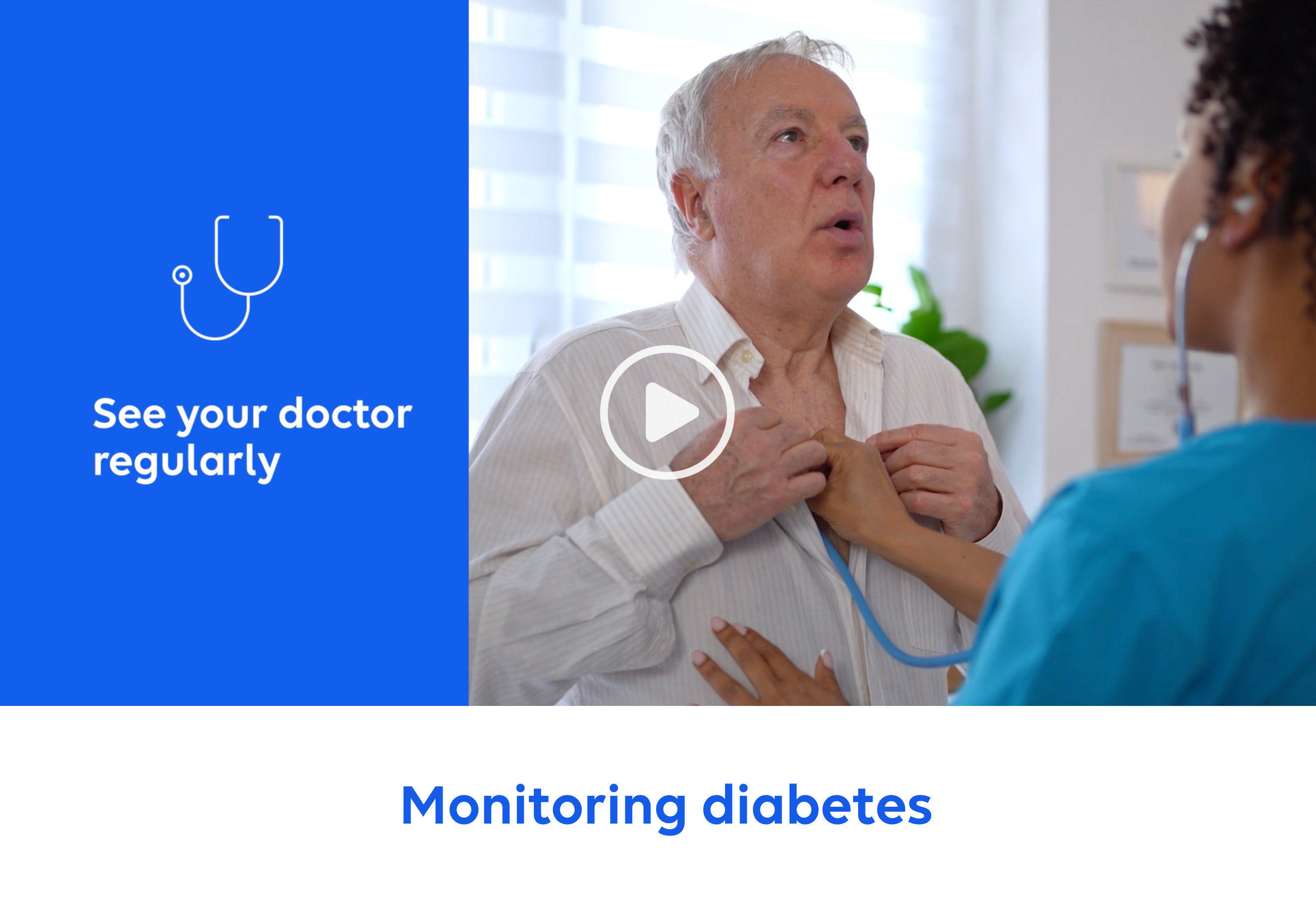


Important Tests To Monitor And Manage Diabetes
A1C Test
An A1C test is a blood test that measures your blood sugar levels and tells if your treatment plan is working. The test looks at your levels from the past two or three months. Typically, the test is done at a doctor’s office or lab, but you can ask your doctor if you would be a good candidate for at-home A1C testing.
There are different target levels for the test, depending on age and medical condition. The American Diabetes Association has determined a reading below 7% is ideal if you’re living with diabetes. A normal A1C result is below 5.7%, and levels from 5.7% to 6.4% indicate you’re in the prediabetes range. Higher A1C levels present greater risk for health complications such as heart disease or stroke. That’s why it’s so important to control your blood sugar and be consistent with testing to avoid developing something more serious.
Mayo Clinic recommends taking the A1C test at least twice a year if you have diabetes and don’t use insulin. Test more often if you do take insulin, change your medications, have other health conditions, or have trouble keeping your blood sugar level within your target range.
Retinal Exam
Diabetes can also affect your eye health and vision. Sometimes high blood sugar levels affect blood vessels in the retina, and this can lead to diabetic retinopathy.
The National Eye Institute describes diabetic retinopathy as an eye condition that, if not treated, may contribute to vision loss and blindness. Since the early stages of diabetic retinopathy rarely cause symptoms, it’s critical to have a yearly retinal exam. During this exam, an optometrist or ophthalmologist dilates your eyes with eye drops. This allows them to take a closer look at the back of your eyes and check for any damage.
If you notice any changes in your vision such as floaters, shadows, trouble seeing at night, or difficulty seeing objects up close or at a distance, make an appointment with your eye doctor right away.
Nephropathy Tests
When diabetes affects the kidneys, preventing them from filtering waste and water from your body, it’s called diabetic nephropathy or diabetic kidney disease. High blood pressure, high blood sugar, or living with diabetes for an extended period all increase the likelihood of developing the disease.
Similar to diabetic retinopathy, early stages of diabetic nephropathy show little to no symptoms. Managing your diabetes and testing your kidney function are two ways to keep the disease controlled and avoid more serious outcomes such as kidney failure.
Cleveland Clinic lists four ways of diagnosing diabetic nephropathy: urinalysis (urine test), blood tests, imaging tests, or a kidney biopsy. The National Institute of Diabetes and Digestive and Kidney Disease recommends that blood and urine be tested yearly if you have type 2 diabetes or if you’ve had type 1 diabetes for more than five years. Like the A1C test, there are also at-home test kits available to check your kidney function. You’ll want to consult with your doctor to see if this is an option for you.
Blood Pressure Monitoring
You’re more inclined to have high blood pressure with diabetes. Higher blood pressure means your heart is working harder, putting you at risk for heart disease, stroke, and other health problems.
To prevent this from happening, check your blood pressure at every doctor visit. The American Heart Association also recommends home monitoring for anyone who has high blood pressure.
What is considered a good blood pressure reading? While a blood pressure goal of 130/80 mm Hg or less is recommended, you should learn what your blood pressure target is based on your age, health condition, and risk factors.
Your Health Comes First
With proper care, your diabetes can be managed and controlled. If you have questions about any of these tests or need a referral to a specialist, talk to your doctor. If you need help finding a doctor, select Find Care & Cost from the Care menu in the SydneySM Health app or at anthem.com.
Was this information helpful? Let us know.
1069722MUMENMUB 05/24